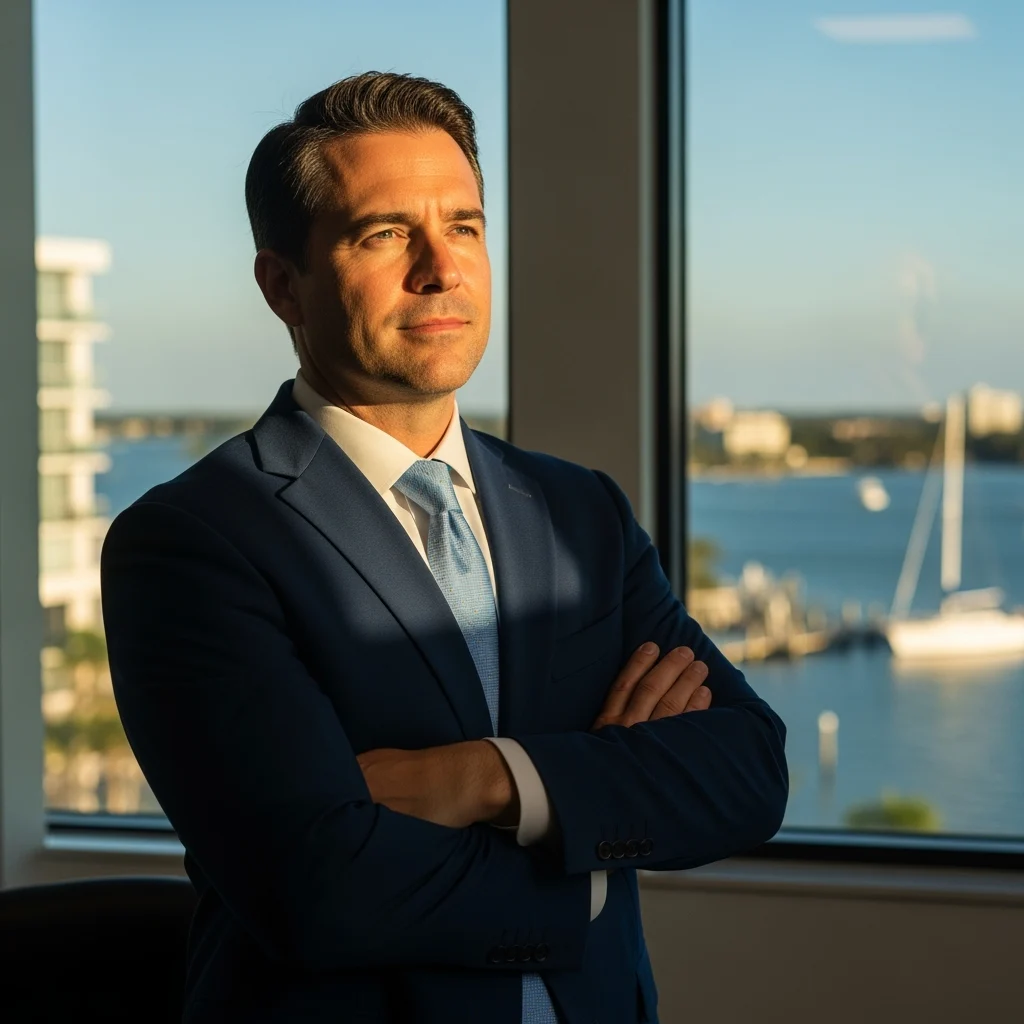
When a night on the water turns into a legal nightmare, the right guidance matters. If you or a loved one were charged with a boating under the influence attorney in Sarasota, FL case, I want to walk you through what’s likely to happen, how local enforcement works, and practical steps you can take right away. For background on state-level boating and vessel safety standards, the Florida Department of Highway Safety and Motor Vehicles homepage is a useful starting place: https://www.flhsmv.gov.
Why BUI cases in Sarasota are different from a typical DUI
Boating under the influence (BUI) is treated similarly to driving under the influence, but the setting changes a lot. The waterways around Sarasota—Sarasota Bay, the Intracoastal Waterway, Siesta Key, Longboat Key, and the Gulf—present unique challenges: evidence collection is harder, the environment is riskier, and local marine patrols have specific procedures. I’ve handled cases where breath tests weren’t available or where the arrest happened late at night while weather and sea conditions complicated testing. That’s why BUI defense calls for a lawyer who understands both criminal law and how marine enforcement operates in this area.
How law enforcement in this area enforces BUI laws
Local enforcement often involves a mix of county sheriff marine patrols, Florida Fish and Wildlife officers, and sometimes city police. Patrols look for visible signs of impairment—slurred speech, stumbling on boarding, collision damage, or erratic boat operation. If an officer suspects impairment, they may request field sobriety tests on the boat, a portable breath sample, or a transport to shore for more formal testing.
Common evidence gathered by officers
Typical evidence in Sarasota-area BUI arrests includes officer observations, witness statements (from crewmembers or other boaters), photographs of the vessel or scene, results from breath or blood tests, and any recorded statements. Environmental factors—like wind, waves, and noise—can affect how tests and observations are performed, and those factors can become key parts of a defense strategy.
What penalties you could face under Florida law
Penalties depend on factors such as prior convictions, whether someone was injured, and the blood alcohol concentration at the time of arrest. Consequences can range from fines and probation to jail time and mandatory boating safety courses. In some cases, civil penalties or increased insurance costs follow a criminal conviction. Because the stakes can be high—especially if someone was hurt—early, informed action is crucial.
What to do immediately after a BUI arrest
The moments after an arrest are stressful, but what you do next can affect the outcome dramatically. I recommend the following actions right away.
- Remain calm and avoid giving more statements to officers beyond identifying information.
- Politely refuse requests for additional testing only after understanding the consequences; Florida has implied consent rules that can affect license or vessel privileges.
- Get contact details for witnesses and ask how to retrieve property (boat keys, personal effects) if they’re being held.
- Call an experienced local criminal defense lawyer who handles BUI cases before making other decisions.
How a skilled defense can help in Sarasota BUI cases
Defending a BUI charge requires careful review of the arrest report, sea conditions, officer training records (especially for portable breath devices), and any physical evidence such as video or blood test chain-of-custody records. Here’s how I typically approach these cases:
- Challenge the validity of chemical tests, including calibration and administration of breath devices or lab handling of blood samples.
- Examine whether the officer had probable cause to stop or board the vessel, and whether any rights were violated during the encounter.
- Investigate environmental and operational factors—was the boat safe to operate, or were maneuvers necessary to avoid hazards misinterpreted as impairment?
- Negotiate pretrial resolutions that reduce penalties or seek diversion when appropriate.
Typical defense strategies
Defenses vary with the facts, but common strategies include disputing the accuracy of test results, arguing improper procedure or insufficient probable cause, and presenting alternative explanations for observed behavior (fatigue, seasickness, medical conditions, or medication interactions). Building a strong narrative that explains the client’s side and highlights enforcement flaws often persuades prosecutors to reduce or dismiss charges.
Refusing chemical tests: pros and cons in Florida
Florida’s implied consent law has consequences for refusing chemical testing after a BUI stop. Refusing can lead to administrative penalties, such as suspension of any state-issued licenses or future boating privileges, and it can be used as leverage by prosecutors. On the other hand, if testing equipment is unreliable or improperly administered, a refusal may prevent flawed evidence from being used against a defendant. Choosing whether to submit to a test under stress is a decision best discussed with counsel as soon as possible.
How local trends are shaping BUI enforcement
In recent years I’ve noticed two clear trends. First, seasonal visitor spikes—especially the winter “snowbird” months and summer tourism—mean more boats on the water and more patrols, which increases the likelihood of BUI stops in busy areas like Siesta Key and Longboat Key. Second, agencies are testing and adopting new portable testing devices and body-worn cameras, which can both strengthen prosecutions and create new defense angles (device calibration, operator training, or footage review). Staying current on these trends is key to anticipating how cases will be charged and defended.
What evidence helps your defense most
The most helpful evidence often comes from quick action after arrest: gathering witness statements, preserving any video from phones or cameras, obtaining the arrest report and testing records quickly, and documenting environmental conditions. If you can, collect names and contact info of people who were on the boat or nearby when the incident occurred. Photographs of the scene and your vessel, taken soon after, can also be very persuasive when assembled with other facts.
Examples of effective investigative steps
In a number of cases, I’ve had success getting testing results excluded because the machine wasn’t properly calibrated, or obtaining GPS and marine traffic data that contradicted an officer’s account of reckless operation. Sometimes medical records explain behavior that looked like impairment. These are the kinds of details that turn a case from a near-automatic conviction into a defensible one.
How we negotiate when trial isn’t the best option
Many clients ask if plea negotiations are worthwhile. The answer depends on the facts. When evidence is strong, negotiating for reduced charges, probation instead of jail, or entry into a diversion program can protect livelihoods and reduce long-term consequences. I negotiate with prosecutors who are familiar with the waterways and local courts, advocating for outcomes that minimize collateral damage like loss of employment or professional licenses.
How to choose the right attorney for a Sarasota BUI
When you’re searching for someone to handle a boating under the influence matter in the city, look for these qualities: local courtroom experience, familiarity with marine enforcement practices, knowledge of scientific testing and expert witnesses, and a clear communication style. I make it a priority to explain complex legal and technical issues in plain language so clients understand their choices and possible outcomes.
Questions to ask in your first consultation
In your first call or meeting with a lawyer, ask about their specific experience with BUI cases, examples of past results, how they approach evidentiary issues, and what they recommend you do immediately. Also ask how they’ll keep you updated and what the likely timeline will be. A good attorney will give straight answers and a clear plan.
Practical safety and prevention tips for boaters in Sarasota Bay
Preventing BUI starts with sensible choices on the water. Here are a few practical habits that reduce risk and keep you and others safer:
- Designate a sober operator whenever alcohol is present on board.
- Plan shorter trips close to shore if you’ll be drinking, and use a tender or shuttle if available.
- Monitor weather and navigate conservatively to avoid situations mistaken for impairment.
- Keep safety and medical information accessible and know how to contact marine patrols if needed.
What to expect in court in Sarasota County
Court procedures vary by county. In Sarasota County, initial hearings focus on arraignment and whether there will be pretrial release conditions. Expect discovery exchanges, pretrial motions, and possibly a readiness hearing before trial. Many cases resolve through plea agreements, but I approach every case as if it will go to trial—preparing evidence, witnesses, and expert testimony to challenge the prosecution’s case effectively.
When an expert witness makes a difference
Expert testimony can be decisive in BUI defenses. Toxicologists, forensic chemists, and marine accident reconstruction experts help explain test reliability, metabolism variables, and whether vessel operation was unsafe independent of intoxication. Retaining the right experts early in a case can shift negotiations or lead to successful pretrial challenges to the government’s evidence.
Real-world outcome examples and realistic expectations
Every case is unique. In my experience, some BUI cases are dismissed after we expose testing problems or find lack of probable cause. Others resolve with reduced charges and no jail time. A small number proceed to trial when the facts support an acquittal. My goal is always to protect your freedom, minimize penalties, and preserve your reputation so you can move forward.
Final thoughts
If you’re facing a boating under the influence charge in Sarasota, Florida, you don’t have to navigate the legal process alone. Time is important—evidence can disappear and witness memories fade—so reach out early. I’m committed to clear communication, local knowledge, and aggressive defense planning to protect your rights.
If you want a local attorney who understands Sarasota’s waterways and courts, contact Sarasota Defense Attorney for a prompt consultation and clear next steps.